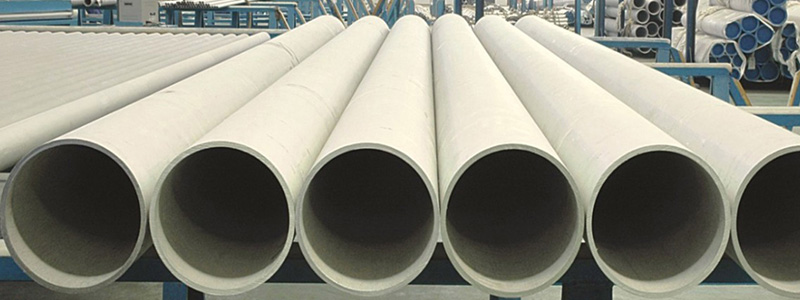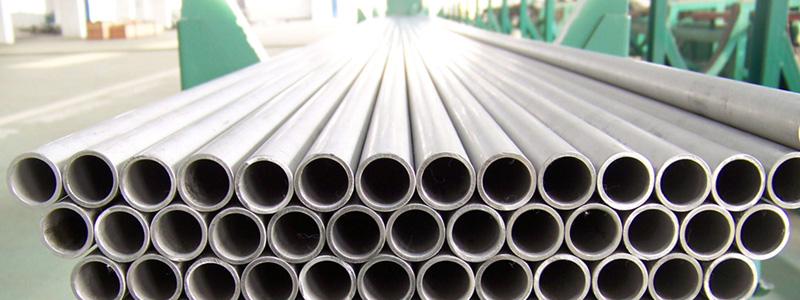
Duplex stainless steels have a mixed microstructure of austenite and ferrite, the aim being to produce a 50/50 mix, although in commercial alloys, the mix may be 40/60 respectively. Duplex steels have improved strength over austenitic stainless steels and also improved resistance to localised corrosion, particularly pitting, crevice corrosion and stress corrosion cracking. They are characterised by high chromium (19–28%) and molybdenum (up to 5%) and lower nickel contents than austenitic stainless steels. The most used duplex stainless steel are the 2205 (22% Chromium, 5% Nickel) and the 2507 (25% Chromium, 7% Nickel); the 2507 is known as “super duplex” due to its higher resistance to corrosion.